Skip to content
Environmental Ramblings
    • About us
  • The Invisible Tide Mark: What the Salt Line Left on Britain’s Flood-Damaged Churches Actually Consists Of

    The Invisible Tide Mark: What the Salt Line Left on Britain’s Flood-Damaged Churches Actually Consists Of

    Environment, The World
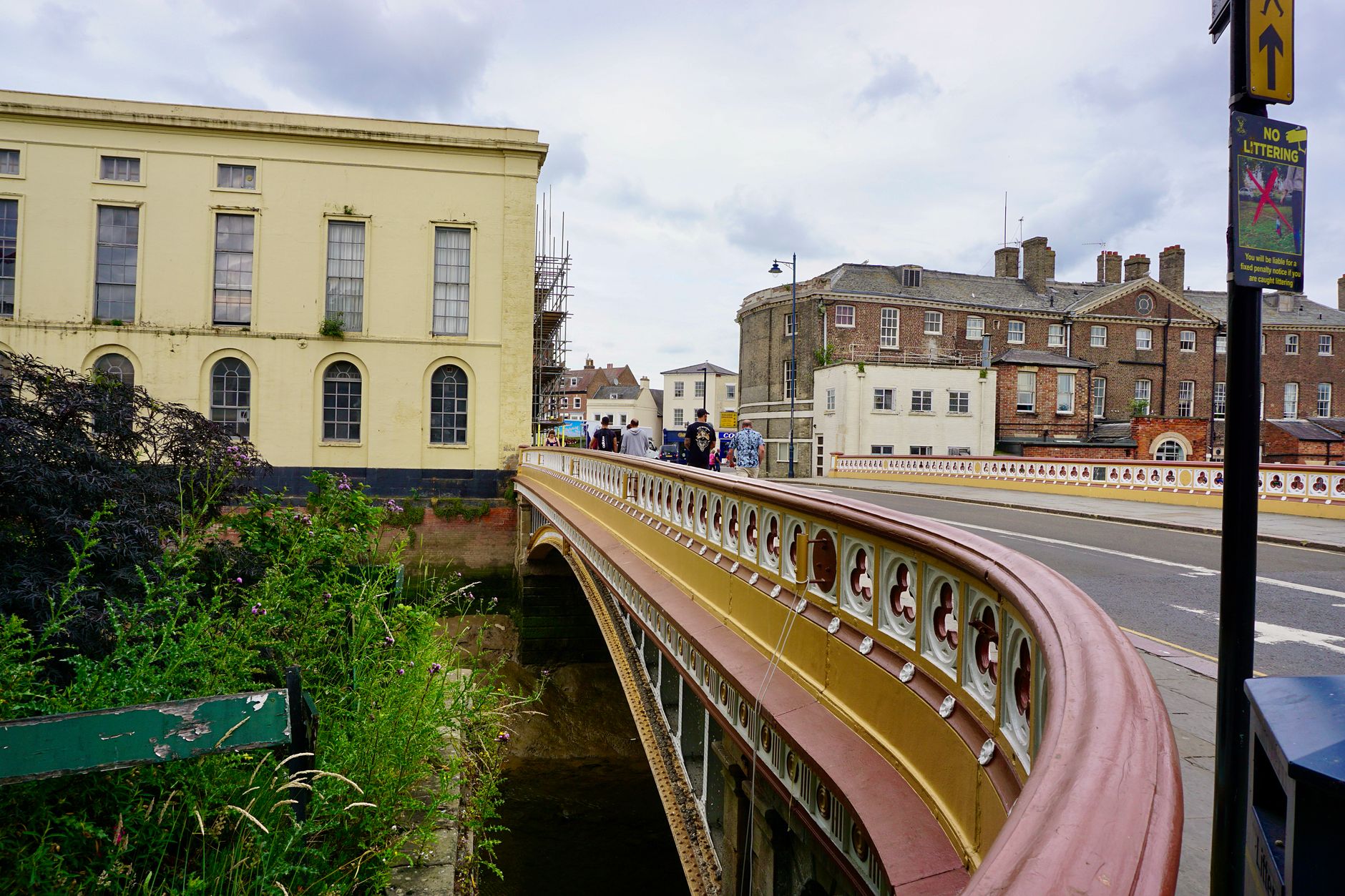
  • The Rust-Red Walls of Ironbridge: What Victorian Industry Left Behind on Britain’s Most Famous Cast-Iron Structure

    The Rust-Red Walls of Ironbridge: What Victorian Industry Left Behind on Britain’s Most Famous Cast-Iron Structure

    Environment, The World
  • Hemp: Britain’s Forgotten Crop Is Quietly Coming Back

    Environment

    Hemp was once one of the most important crops grown in these islands. Elizabeth I compelled landowners to plant it. The Navy ran on it. The word canvas descends from cannabis, which tellsyou how completely the plant and the material were once the same idea. Then it disappeared almost entirely, and for reasons that had…

  • Waxwings, Waxy Berries and the Protective Coatings That Help Britain’s Winter Hedgerows Survive the Cold

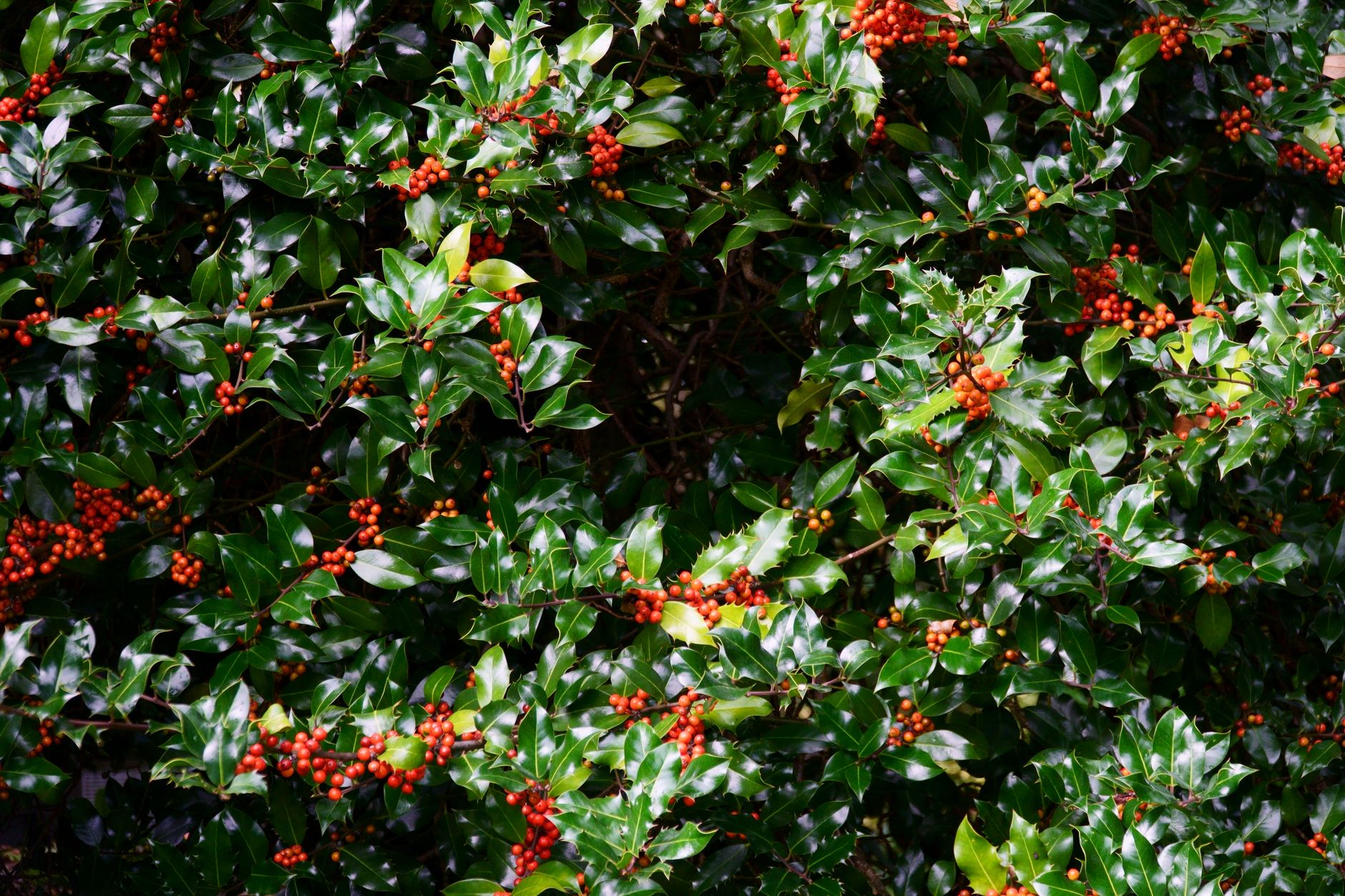
    Waxwings, Waxy Berries and the Protective Coatings That Help Britain’s Winter Hedgerows Survive the Cold

    Environment, The World
  • What the Stained Ceiling of York Minster Tells Us About Eight Centuries of Candle Smoke, Damp and Survival

    What the Stained Ceiling of York Minster Tells Us About Eight Centuries of Candle Smoke, Damp and Survival

    Environment, The World
  • Soot-Blackened and Storm-Hardened: The Strange Resilience of Hebridean Dry-Stone Blackhouses Left to the Elements

    Soot-Blackened and Storm-Hardened: The Strange Resilience of Hebridean Dry-Stone Blackhouses Left to the Elements

    Environment, The World
  • Why the Oldest Gravestones in English Churchyards Are Sometimes Better Preserved Than Those Carved a Century Later

    Why the Oldest Gravestones in English Churchyards Are Sometimes Better Preserved Than Those Carved a Century Later

    Environment, The World
  • The Blackened Bones of Britain: Why Ancient Charred Timber Is Making a Quiet Comeback

    The Blackened Bones of Britain: Why Ancient Charred Timber Is Making a Quiet Comeback

    Environment, The World
  • The Blackened Bones of Hadrian’s Wall: What Two Thousand Years of Northern Weather Has Done to Roman Stone

    The Blackened Bones of Hadrian’s Wall: What Two Thousand Years of Northern Weather Has Done to Roman Stone

    Environment, The World
  • Why Whitby’s Harbour Boats Are Painted the Colours They Are, and What Those Traditional Pigments Actually Did

    Why Whitby’s Harbour Boats Are Painted the Colours They Are, and What Those Traditional Pigments Actually Did

    Environment, The World
  • Soot, Shelter and Survival: How Centuries of Peat Smoke Coated and Preserved the Timber Frames of Scottish Blackhouses

    Soot, Shelter and Survival: How Centuries of Peat Smoke Coated and Preserved the Timber Frames of Scottish Blackhouses

    Environment, The World
  • The Crumbling Grandeur of Britain’s Seaside Piers: What Iron, Wood and a Century of North Sea Winters Actually Does to a Structure

    The Crumbling Grandeur of Britain’s Seaside Piers: What Iron, Wood and a Century of North Sea Winters Actually Does to a Structure

    Environment, The World
  • Soot, Tallow and Centuries of Grime: What the Blackened Beams of Britain’s Medieval Great Halls Are Actually Coated With

    Soot, Tallow and Centuries of Grime: What the Blackened Beams of Britain’s Medieval Great Halls Are Actually Coated With

    Environment, The World
1 2 3 … 9
Next Page

Search

Environmental Ramblings